
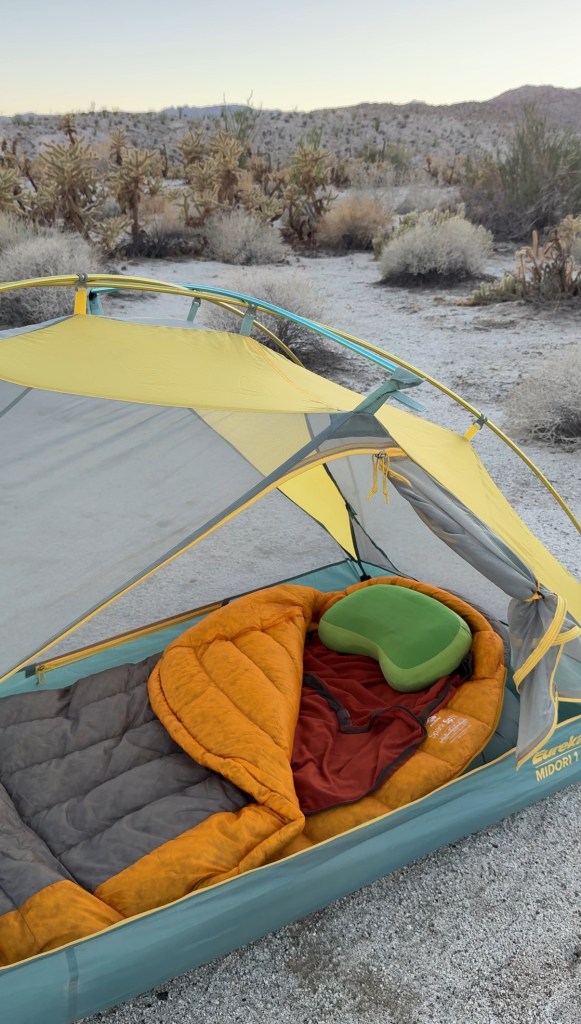

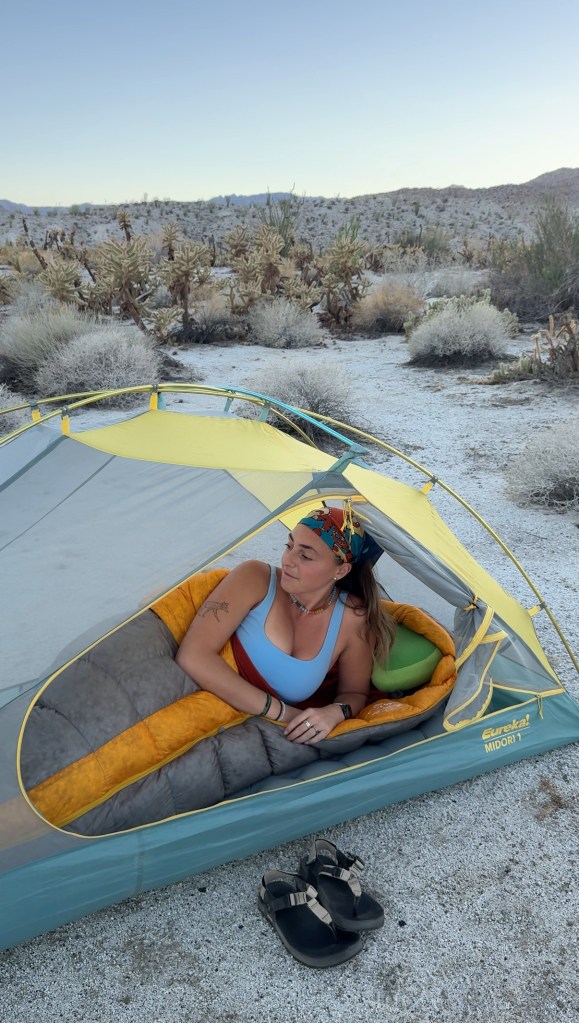

Until moving to Southern California, the winter never particularly interested me. I used to dread the changing of the seasons — a cold that chills you to the bones, power outages, and early mornings spent shoveling snow out of the driveway. The start of winter marked the start of seasonal depression, but not anymore!
Living in San Diego, I have discovered the magic of the desert in the wintertime. Sprawling landscapes, crisp mornings, pastel colors from sunrise to sunset, and incredibly clear night skies with endless constellations and shooting stars. I never thought the day would come that I look forward to winter, and now I truly get excited thinking about the silence of the desert, walking for miles through the sand, waking up all cozy in my sleeping bag, and watching the sun creep onto the horizon, casting a golden light on the cholla and ocotillo cactus on it’s way into the sky.
If you live in southern California and haven’t tried camping in the desert during the winter, now is your chance to plan a winter weekend camping trip to Anza Borrego, Mojave, Joshua Tree, or Death Valley.
In today’s post, I am sharing some basics of winter desert camping, tips for going alone, and my gear list. But before we get into the gear, I have a few pointers to help prepare you for your adventure.
Winter weather in the Desert
A common misconception about the desert is that it’s always hot. It’s not.
My first trip out to Joshua Tree was during the winter, but I was under the assumption that it would be warm and sunny because you know, its the desert! As we hiked to the top of Ryan Mountain, we were shocked to get caught in a snow storm at the peak. The snow persisted through the night and blanketed the landscape by morning. So, yes it does get cold and even snows in the desert.
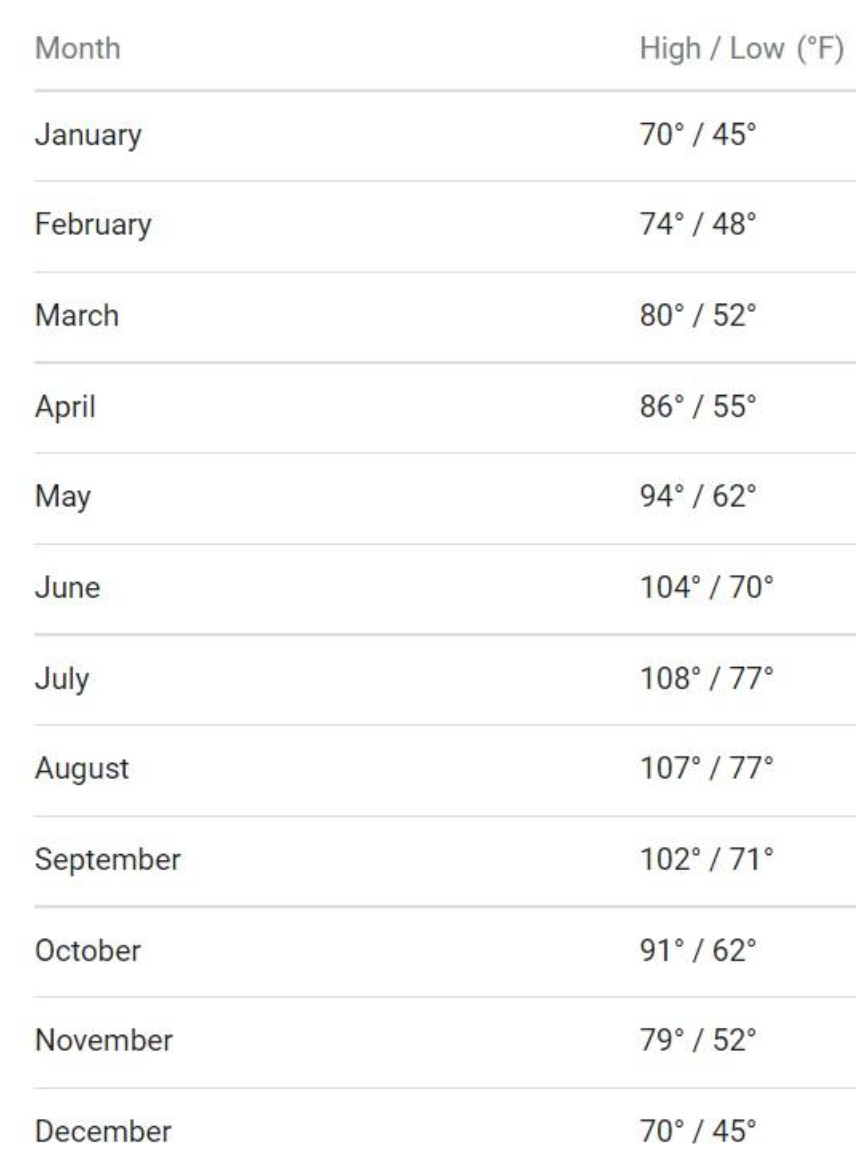
Take a look at the monthly temperature averages for reference:
Anza Borrego Monthly Averages (theabf.org)
Mojave Monthly Averages (nps.org)
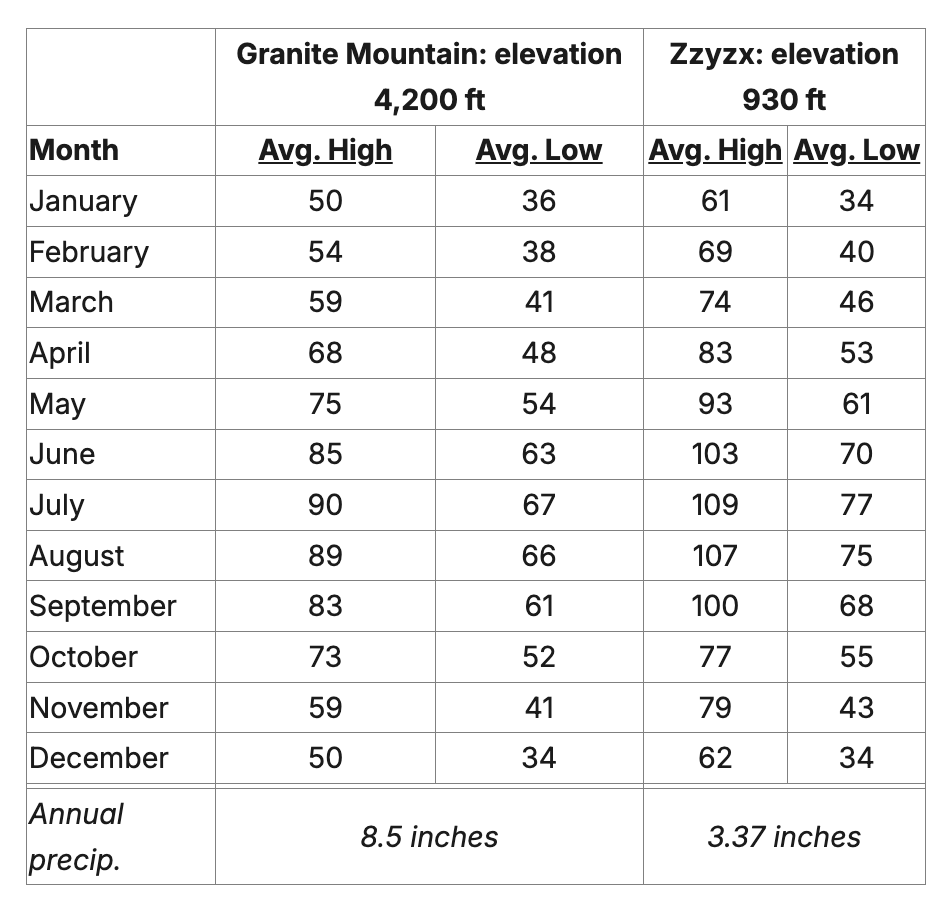
Death Valley Monthly Averages (nps.gov)
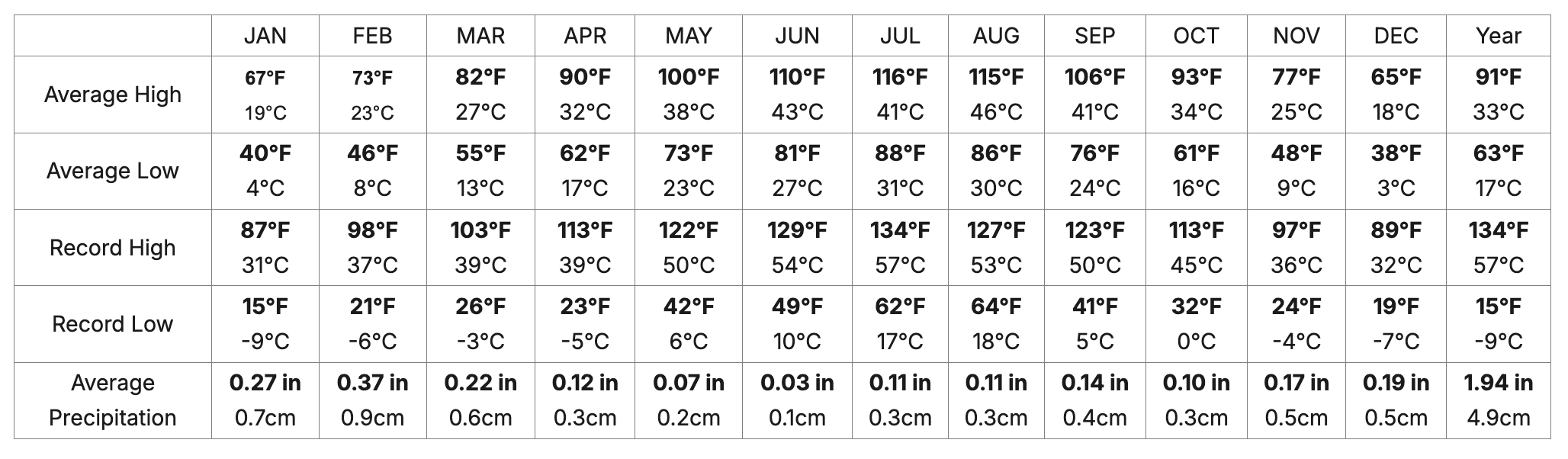
Make sure you are checking the weather ahead of your trip so you are best prepared for whatever weather comes your way. For the warmest options, head south and aim for lower elevations. My favorite destination for winter camping in the desert is Anza Borrego Desert State Park and the surrounding area.
Desert Camping Style
There are several ways to go camping in the desert depending on your experience, comfort level, and vehicle. What style of camping is right for you? Now, I can write a whole post on this topic, and I probably will, but for now I will leave you with a brief summary:
Campground Camping: This style of camping is the most comfortable because it offers the most amenities. Your typical campground will have a water spigot, flushing toilets, showers, fire pits, picnic tables, a camp host, and sometimes a camp store to purchase basic camping necessities. These sites charge a fee and need to be reserved ahead of time.
Primitive Camping: This style of camping is usually first-come-first-serve with self check-in and fee envelopes that you feed to the “iron ranger”. The amenities often include a fire pit, picnic table, and a pit toilet. No running water. This means you need to be a little more prepared and pack in all of the water you need for your stay. You will also need to pack out everything including your garbage.
Dispersed Camping: This style is the the most wild form of camping and my favorite. If you like being completely alone and self sufficient, this is the type of camping is the one for you. Dispersed camping means you are looking for campsites out in wild, often there will be long dirt roads through the open desert that are dotted with campsites. The campsites are really just a level and clear spot of land with enough space to set up camp. There are no amenities, no pit toilets, no water, no fees, and no neighbors. Not all parks allow for dispersed camping so be sure to check regulations ahead of time! It definitely takes more research, planning, gear, and preparation, but to me it’s worth it. I would not recommend dispersed camping for those who are new to camping.
Tips for going solo:
It’s fun to go camping with friends or a partner, but I find it just as much fun to go by myself. Solo camping was an experience that I didn’t know I needed and now I do it at least once a month. At first it was scary just thinking about spending the night alone, but my desire for adventure and the beauty of mother nature overcame my fears. Now I go solo camping to recharge, reset, and relax. I am often asked how I got into solo camping and backpacking, and I have some tips!
- Find inspiration – Finding people online who inspire me and are already doing what I want to do have contributed greatly to my confidence in going on solo adventures. When you see other people doing something it makes it less scary to do for yourself, plus you can learn a lot from the experiences of others. Whenever I’m alone and get scared, I think about all the people who have done this themselves and not only were they fine in the end, but they had a great time too! It also doesn’t hurt to reach out to these people and ask for tips or advice.
- Build up to it – If your goal is to go solo dispersed camping, start by getting comfortable with camping in general. If you’ve never been camping before, head to your local campground with a friend or two and see how that goes! Once you have a feel for camping in general, try going by yourself to a campground you are familiar with. Once you feel comfortable camping alone, you can try going somewhere a little more remote.
- Have a safety plan – Knowing you have a safety plan in case anything goes wrong will help you feel more confident going solo. Think about what fears your have around going solo and make a plan around them.
- Are you afraid of getting lost? – Make sure you have a GPS, downloaded maps, paper maps, and a compass.
- Are you afraid of losing service and not having a way to call for help?- Consider investing in a satellite device, and share your itinerary with someone you trust who can call for help if you do not return by a certain time.
- Are you afraid of freezing nights? – Look into the R-Value of your sleeping pad and the temperature rating of your sleeping bag.
- Are you afraid of animals or humans invading your space? – Carry bear spray and know how to use it. And of course, be aware of your surroundings and listen to your gut.
- Mindset – In my opinion, the most important part about solo adventuring and the thing that holds people back the most is their mindset. If you are operating from a place of fear, you probably won’t have a very positive experience. Confidence will grow from experience and preparation. The more positive experiences you have in the outdoors, the more comfortable you will feel when recreating alone. Whenever I encounter a setback or things don’t go exactly as planned (and they almost never do) I think of it as a learning experience that will make me a stronger solo adventurer and more prepared for future adventures.
The Gear List:
Now, let’s talk about the gear! This is what my gear set-up is looking like going into the winter desert season.
Note: Most of the links to the products mentioned are affiliate links which means I make a commission if you choose to purchase anything through the link.
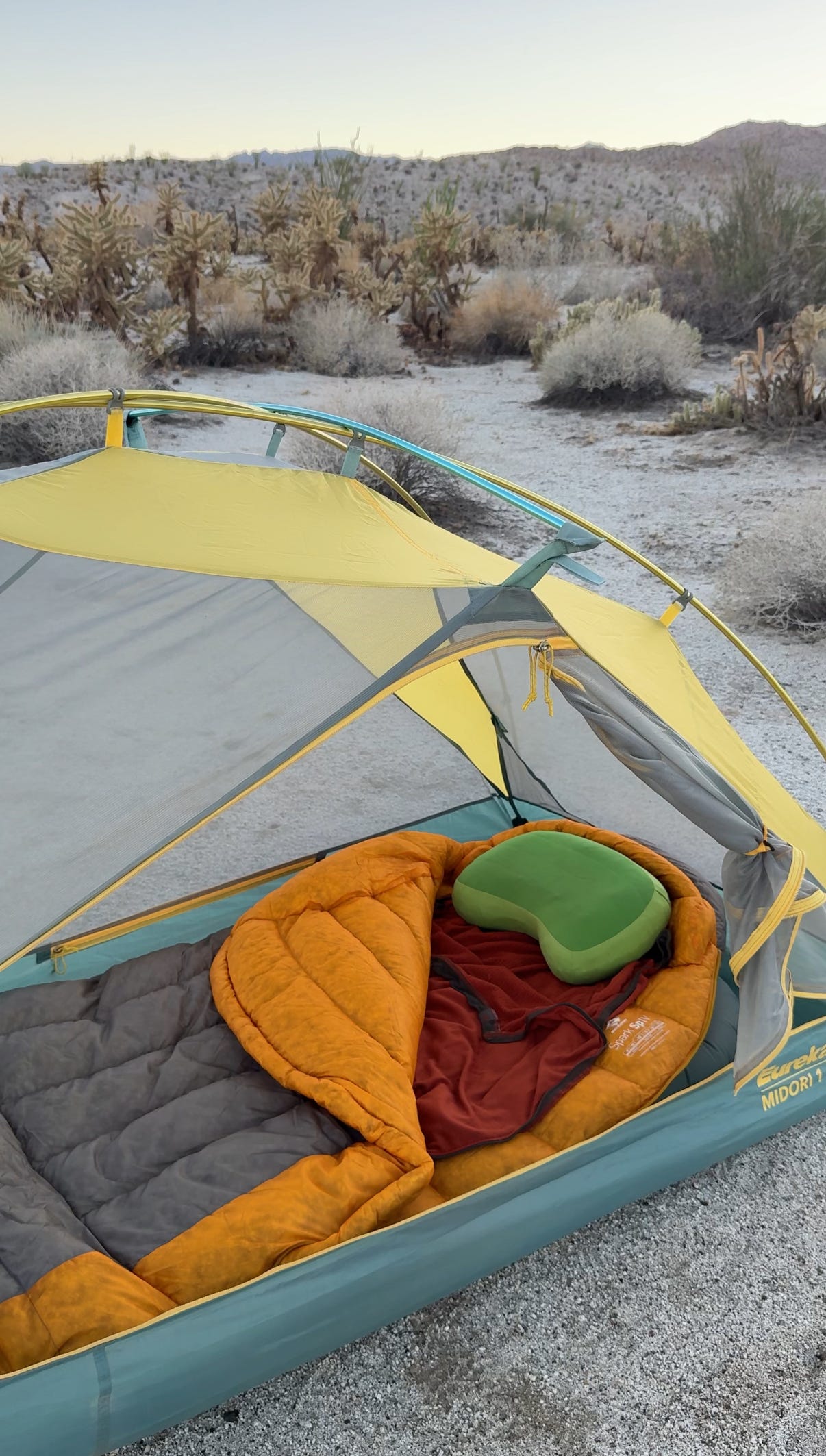
Shelter and Sleep System:
- Tent: Eureka! Midori 1p (discontinued)
- Ground Sheet: Upcycled Tyvek or All Purpose Plastic Tarp
- Sleeping Pad: Sea to Summit, Ether Light XR Air Mat
- Sleeping Bag: Sea to Summit, Spark 5 degree Down Sleeping Bag
- Sleeping Bag Liner: Sea to Summit, Reactor Fleece Liner
- Pillow: Sea to Summit, Aeros Ultralight Pillow
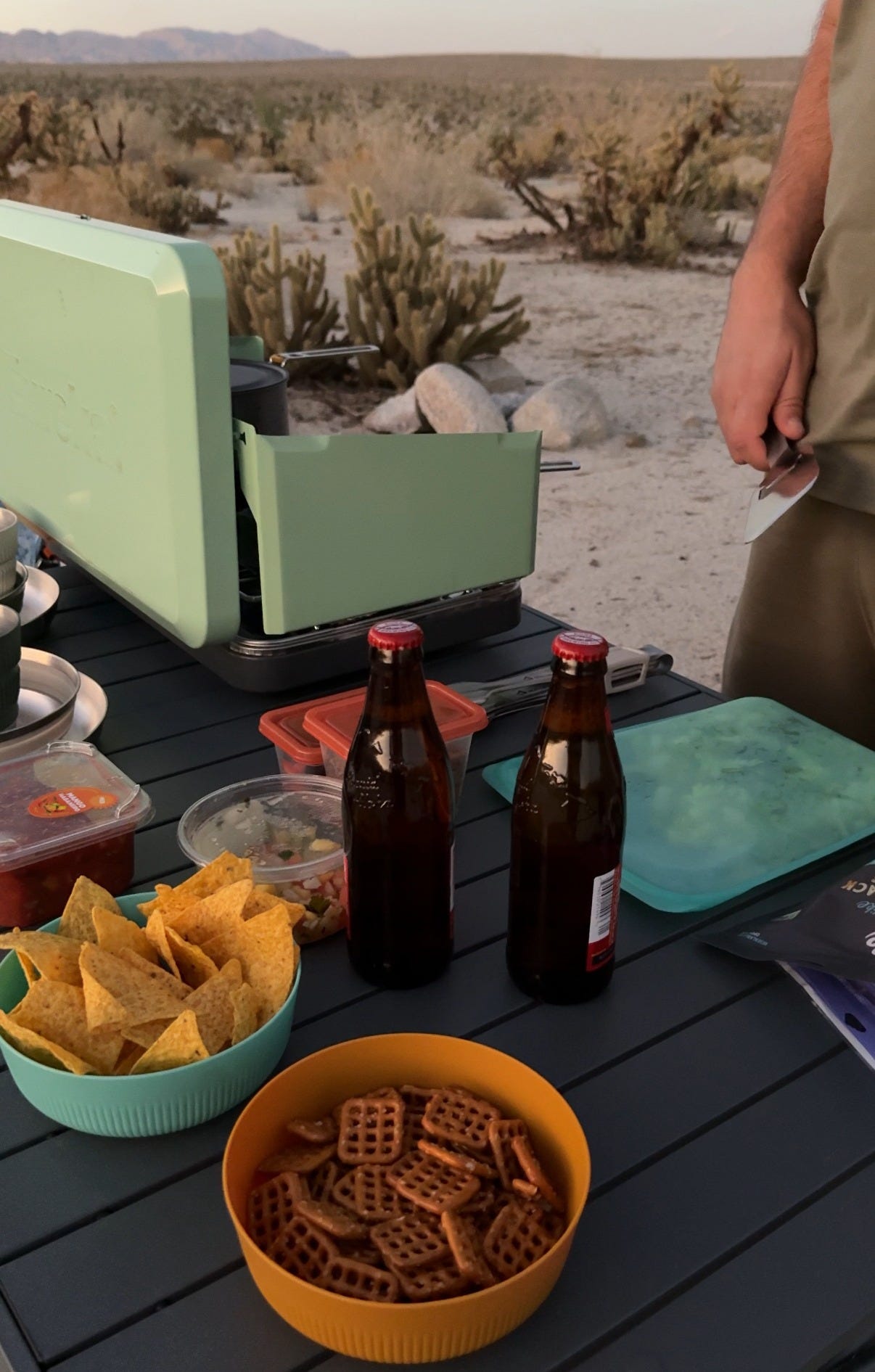
Camp Kitchen:
- Camp Stove: Coleman, Cascade Classic Camp Stove
- Fuel: Coleman, All-Purpose Propane Gas Cylinder – 16.4oz
- Pot: Sea to Summit, Frontier Ultralight Pot
- Pan: Sea to Summit, Frontier Ultralight Pan
- Utensils: Sea to Summit, Frontier Ultralight Cutlery Set – Long Spook & Spork
- Dinnerware: Sea to Summit, Frontier Ultralight Collapsible Dinnerware Set (3 pieces) OR Passage Dinnerware Set (6 piece)
Extras:
- (optional) Table: Mountain Summit Gear, Heavy Duty Roll-Top Table – Large
- (optional) Chair: Bespoke Post, Butterfly Camp Chair
- Some campgrounds have picnic tables so you wouldn’t need to pack a chair or table. If you are dispersed camping, I recommend packing a table and chair.
- String Lights/Lantern: LuminAID, Solar String Area Light with Phone Charger
Thanks for reading to the end, I appreciate you! Feel free to leave any questions you have in the comments and I’ll catch ya in the next one!

 Bee's Wild Life